How to Clean a Vape: The Complete Maintenance Guide
One day the flavour just goes flat. The vapour feels muddy, the e-liquid tastes vaguely of everything you have vaped this month, and the coil takes the blame. More often than not the real culprit is neglect. Condensation, sticky residue and old liquid build up in places you never look at, and the taste pays for it. Knowing how to clean a vape changes both the flavour and the lifespan of the hardware. What matters is knowing which gestures help, and which ones will kill a device outright.
How to clean a vape in practice
To clean a vape you separate the parts, rinse the tank under warm water, dry everything completely, then reassemble. The golden rule never changes: no water on the battery, no water in the charging port, and never dunk a box mod. Those parts are wiped with a barely damp cloth and nothing more. The drip tip, the glass and the tank base, on the other hand, take a full rinse happily. A patient dry always closes the operation, because a wet reassembly ruins the first few pulls.
Warm soapy water is fine for a tank that has been sitting with a dark, sweet e-liquid in it. Rinse the suds away thoroughly afterwards, or the next fill will carry a faint soapy edge. Cold water shifts very little residue and boiling water can warp silicone o-rings, so lukewarm is the sensible middle ground.
The daily habits that change everything
Long before any deep clean, a handful of everyday reflexes keep the gunk from settling. They take seconds and they space out the heavy jobs considerably.
Wipe the drip tip and the threading after a filling session, and condensation never gets the chance to become a sticky ring. Empty the last centimetre of liquid before the device sits unused for a week. Store the kit upright so nothing seeps down towards the battery. These micro habits are standard among regular vapers and they save real time later.
There is a specifically British reason to bother. UK tanks are capped at 2 ml, so most people refill several times a day rather than once. Every refill is another chance to dribble liquid down the outside of the tank and onto the 510 contact, where it dries into a crust that ruins the connection. A quick wipe after each fill matters more here than in markets where a 5 ml tank lasts all morning.
Cleaning your vape tank step by step
The tank is the part that gets dirty fastest. It gathers the reservoir, the airflow ring and the threading, all of them places where residue likes to hide.
- Take the tank apart: glass, base, drip tip, and unscrew the coil if you plan to replace it.
- Rinse each part under warm water, with a drop of washing up liquid if the gunk is stubborn.
- Let the parts soak for around twenty minutes, which loosens what scrubbing alone will not.
- Work the greasy corners gently with a soft brush or a cotton bud.
- Rinse again, then dry on kitchen roll or in open air until no moisture remains at all.
- Reassemble dry, fit the new coil, prime it and fill.
One technical point that gets ignored: the best moment to clean the tank is when you change flavour. A full rinse strips the ghost of the previous e-liquid and gives the new one its proper definition, which is exactly what you want after a fortnight of custard.
Can a coil actually be cleaned?
This is the question that never stops coming, and the answer usually disappoints. A coil follows a different logic from the rest of the kit.
A coil is a consumable. Rinsing one can buy a few extra days, but it does not regenerate anything: the saturated wick and the caramelised residue always end up flattening the taste. When the flavour turns, replace rather than rinse. Sweetened e-liquids accelerate the whole process, and shortfills topped up with a nic shot are often heavy on sucralose, which is why gunking arrives faster than expected on a UK setup. If the burnt taste persists after a new coil, the problem sits elsewhere, as our piece on why a vape tastes burnt explains.
Rebuildable atomisers are the exception. There the cotton is replaced by hand and the wire itself is dry fired gently to shed residue, a skill that belongs to more advanced vapers.
How often to clean a vape
There is no single calendar, only sensible markers based on how hard the kit works. A clear routine avoids nasty surprises.
- Every day: a cloth over the drip tip, the body and the threading.
- Every week: a full warm water rinse of the tank.
- At every noticeable flavour change: a deep clean and a soak.
- At every persistent drop in taste despite a full tank: a new coil.
A weekly rhythm is part of the maintenance culture shared by careful vapers. It protects flavour and delays wear, and it costs about ten minutes. Vapers running high wattage DTL setups will clean more often than someone on a modest MTL pod, simply because more liquid passes through the device, a difference our comparison of MTL and DTL styles sets out in detail.
The small kit that makes cleaning quick
You clean better and faster with a few simple accessories. Nothing elaborate, just tools suited to fragile parts.
A microfibre cloth handles the body and dries the rinsed pieces. A soft brush shifts residue lodged in the threading. Cotton buds reach the corners of the drip tip and the base, and a bud dipped in isopropyl alcohol is the standard trick for a grimy mouthpiece or a pod well. Warm water, never boiling, protects the silicone o-rings. Some vapers use an ultrasonic bath for tanks, which is effective but strictly for metal and glass parts.
Avoid household cleaners, solvents and scented wipes. They leave stubborn taste traces and attack the seals. If the vocabulary here feels dense, our vaping glossary unpacks the terms.
Pods, prefilled cartridges and disposables
Not every format is cleaned the same way. The gesture has to follow the design of the device, or a fragile part pays the price.
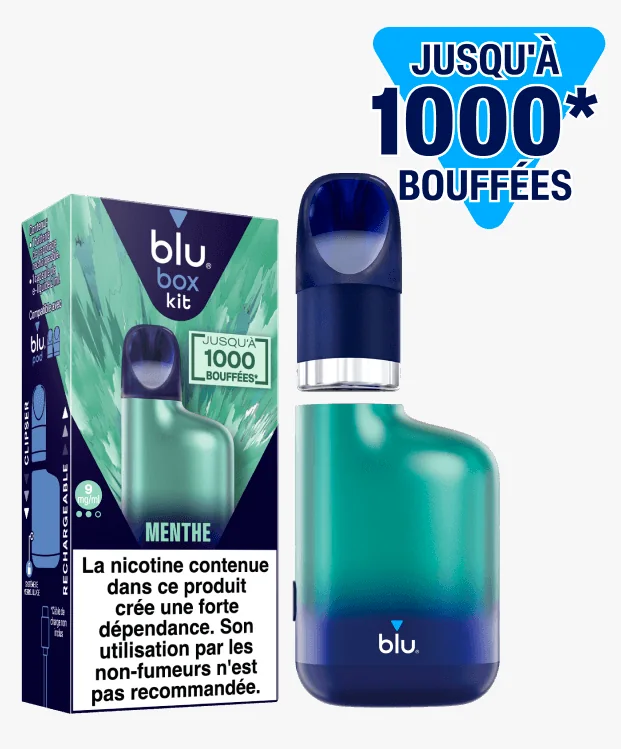
A classic tank comes fully apart. A refillable pod usually has the coil built into the cartridge, which limits maintenance to a wipe and a partial rinse of the pod well. On a prefilled pod or a disposable there is nothing to clean at all: you wipe the outside and the mouthpiece, and that is the end of it. Recognising which kind of hardware is in your hand is what stops you drowning a contact and writing off a perfectly good device.
Frequently asked questions
Can I clean my vape with water?
Yes for the tank, the glass and the drip tip, using warm water. No for the battery, the charging port or the 510 contact, which only tolerate a lightly damp cloth.
Should I use vinegar or alcohol?
Warm water, with a little washing up liquid, covers the vast majority of cases. Isopropyl alcohol on a cotton bud is useful for the mouthpiece and the pod well, but it should not be poured into a tank.
How long should parts dry before reassembly?
Long enough for every trace of moisture to disappear, often one to two hours in open air. Reassembling a damp tank dilutes the first fill and skews the flavour.
Does regular cleaning make a coil last longer?
It delays the build-up slightly, but it does not prevent the wick wearing out. A coil remains a part to replace periodically, however carefully you treat it.
Why does my tank leak after cleaning?
Usually because an o-ring has been seated badly or the reassembly is too loose. Check the position of the seals and tighten firmly without forcing before you fill.
Maintenance as a habit worth keeping
Learning to clean a vape stops feeling like a chore once the gesture is automatic. It is a quiet ritual that protects the pleasure of vaping and extends the life of hardware you have grown attached to. The payoff is measurable: cleaner flavour, fewer dry hits, fewer leaks, coils that go the distance and a mouthpiece that stays pleasant. Ten minutes on a Sunday evening is all it takes to clean a vape properly and start the week with a kit that tastes like it did on day one. Looking after your gear is already part of how you inhabit the hobby, somewhere between technique and simple attention, as much of our vaping culture coverage keeps showing.
Editorial content for adult readers only. Vaping products usually contain nicotine, a substance that causes addiction. Not for sale to under-18s in the United Kingdom. This article is not a buying recommendation.